October 16, 2026
Why Building a Beautiful Aquarium Is Only Half the Job
By Robert Whitcomb
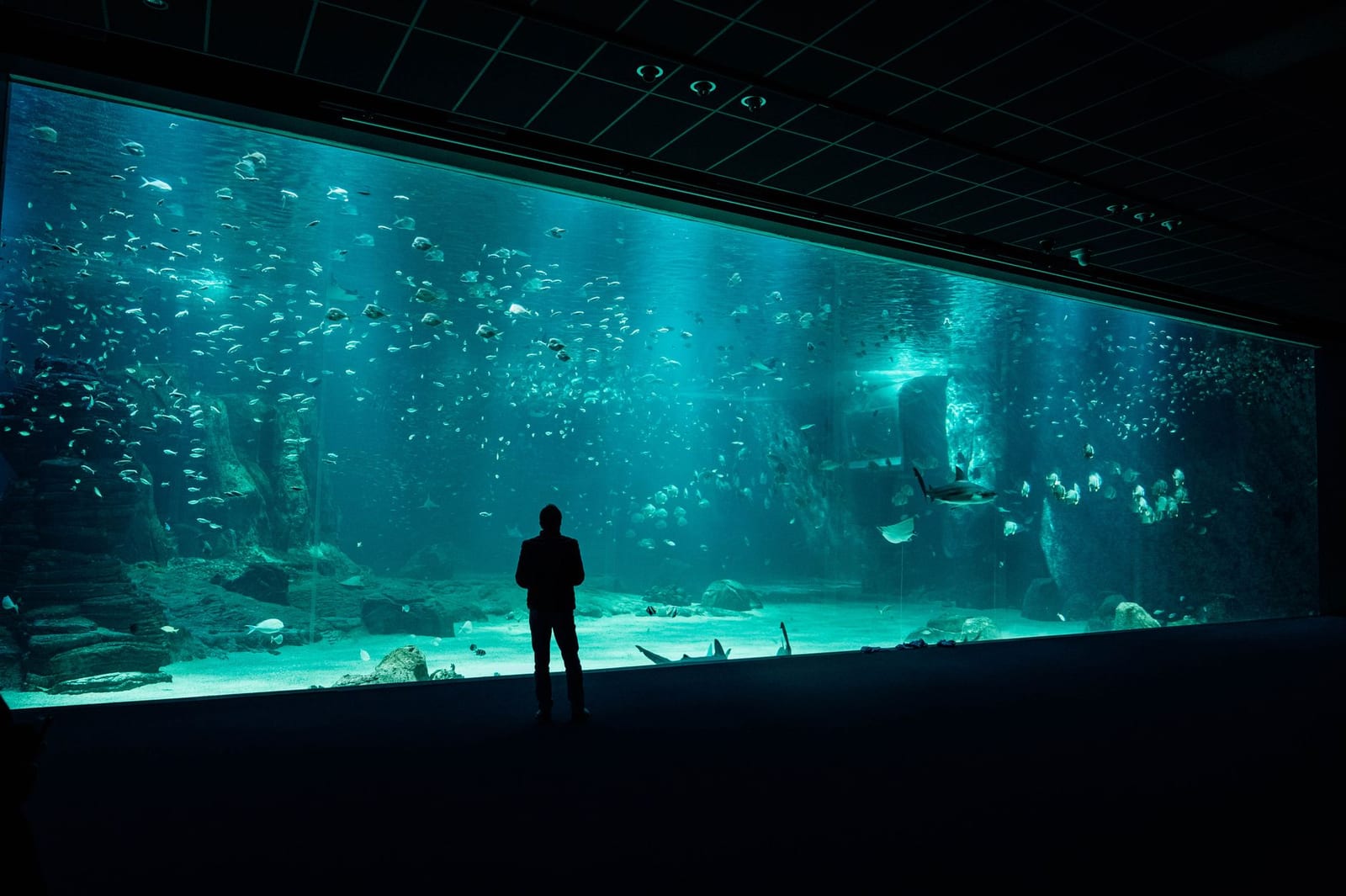
There is something special about seeing a newly installed aquarium for the first time. The water is crystal clear, the lighting brings out the fish's colors, and every rock, plant, and piece of coral seems to be in exactly the right place. It can completely change a room's atmosphere.
But here is something I have learned after nearly three decades in the aquarium industry: making an aquarium look beautiful on installation day is only part of the job.
My name is Robert Whitcomb Forsyth, and I have spent approximately 28 years working professionally in aquarium design and maintenance. My interest in aquatic life started back in 1996, when I was diving and collecting lobster. What began as a hobby eventually became a career and the foundation for Innovative Aquatics.
Over the years, I have learned that the best aquarium designs are not necessarily the most elaborate or expensive. They are the ones that continue functioning properly long after the excitement of installation has worn off.
A successful aquarium needs to look good, but it also needs to work.
The Equipment You Don't See Matters Most
When people picture their dream aquarium, they usually think about the fish, decorations, lighting, and overall appearance. Very few get excited about filtration equipment or plumbing.
I understand that. Nobody walks into a room and immediately compliments the biological filter.
But the equipment behind the scenes makes everything else possible.
An aquarium is a controlled environment where fish and other organisms produce waste. Left unmanaged, that waste can break down into harmful substances, including ammonia and nitrite.
A properly designed filtration system helps manage these problems through several processes. Mechanical filtration removes suspended particles and debris. Biological filtration provides surfaces where beneficial bacteria convert ammonia into nitrite and then into nitrate. Chemical filtration can help remove certain dissolved substances when appropriate.
Select these systems based on the aquarium's size, inhabitants, and expected biological load.
A large tank with a few small fish has very different filtration requirements than a heavily stocked aquarium with larger species.
One mistake I encourage people to avoid is choosing equipment based only on the size printed on the packaging. Those recommendations are a starting point, not a substitute for understanding what the aquarium actually needs.
Clear Water Doesn't Always Mean Healthy Water
One of the biggest misconceptions about aquariums is that clear water automatically means everything is healthy.
Unfortunately, that isn't always true.
Water can look perfectly clean but still contain unsafe levels of ammonia or nitrite. Changes in pH, temperature, salinity, and other water conditions can also create problems that aren't immediately visible.
That is why regular water testing matters.
For freshwater aquariums, I recommend monitoring ammonia, nitrite, nitrate, pH, and temperature. Saltwater systems require additional monitoring, including salinity and, depending on the inhabitants, alkalinity, calcium, and magnesium.
The goal isn't to chase perfect numbers every day. It is to establish appropriate conditions and keep them reasonably stable.
Sudden changes can be especially stressful for aquatic animals.
For example, someone might notice cloudy water and immediately replace a large amount of it, thoroughly clean every filter component, and rearrange the aquarium. Although the intention is good, doing too much at once can disrupt beneficial bacteria or cause rapid changes in water chemistry.
A better approach is to identify the underlying problem, test the water, and make appropriate adjustments without unnecessarily disturbing the entire system.
Maintenance Should Be Part of the Original Design
Imagine installing a beautiful aquarium inside a custom cabinet. The tank fits perfectly, the equipment is hidden, and everything looks fantastic.
Then comes the first major maintenance appointment.
The filter is difficult to reach. There isn't enough room to remove equipment. Plumbing connections are tucked behind permanent panels, and changing a component requires awkward maneuvering.
Suddenly, that beautiful installation becomes a frustrating project.
That is why I believe you should consider maintenance access before installing an aquarium.
At Innovative Aquatics, our philosophy is that appearance and practical operation must work together.
Equipment should be accessible for cleaning, inspection, and replacement. Leave enough space to work safely around electrical components and plumbing. The layout should also make routine tasks manageable.
I encourage aquarium owners to ask a simple question during the planning process: How difficult will this be to maintain five years from now?
That question can influence everything from cabinet design to equipment placement.
An aquarium that is easy to maintain is more likely to receive the consistent care it needs.
Design Around the Fish, Not Just the Room
Aquariums are often designed to complement a particular space. A homeowner might want a dramatic centerpiece, while a business might prefer a large display that attracts attention.
Those goals are understandable, but the animals' needs must come first.
Different fish have different requirements for swimming space, water movement, temperature, diet, and compatibility.
Some species need hiding places. Others require open swimming areas. Certain fish can become territorial, especially when placed in an aquarium that doesn't provide enough space.
Before selecting inhabitants, research their adult size and behavior.
A fish that looks tiny in a store may eventually become much larger than expected.
I also encourage people to plan long-term stocking rather than buying fish simply because they look attractive together.
Design an aquarium around a compatible community of animals, not a collection of individual favorites with conflicting needs.
Lighting Is About More Than Appearance
Modern aquarium lighting can produce some impressive effects. Colors become more vibrant, shadows create depth, and carefully positioned lights can make an aquarium look almost theatrical.
But lighting also influences the aquarium's biological environment.
Live aquatic plants and photosynthetic corals have specific lighting requirements. Too little light can limit their growth, while excessive or poorly managed lighting can contribute to unwanted algae growth or stress sensitive organisms.
Even fish-only aquariums benefit from a consistent day-and-night schedule.
I recommend choosing lighting based on the inhabitants first and the desired visual effect second.
Timers and adjustable fixtures can help maintain a predictable schedule without requiring constant attention.
The best lighting setup supports the aquarium's needs while still creating the appearance the owner wants.
A Great Aquarium Should Get Better With Time
One thing I appreciate about aquarium design is that a successful installation is never completely finished.
Aquatic environments change as fish grow, plants develop, beneficial bacteria establish themselves, and the system matures.
That is part of what makes aquariums so interesting.
It also means owners need realistic expectations. Even a professionally designed aquarium requires monitoring, maintenance, and occasional adjustments.
After years of working with aquariums, I have come to value reliability as much as appearance.
A beautiful aquarium should certainly impress people when they first see it. But what matters more is whether the fish remain healthy, the equipment continues performing, and the owner can enjoy the aquarium without constantly dealing with preventable problems.
To me, that is the difference between simply installing an aquarium and designing one properly.
The real measure of a great aquarium isn't how it looks on the first day. It's how well it keeps functioning in the months and years that follow.